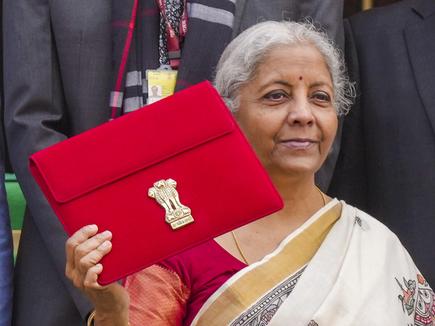
Most people already know what Budget 2026 announced. Headlines spread quickly, highlights circulated widely, and discussions centered on numbers. However, knowing the announcements does not automatically create clarity. Understanding what actually changed requires deeper attention. That gap between information and insight explains why much budget coverage feels incomplete.
Budget 2026 does not try to impress. Instead, it adopts a deliberate and restrained tone. The document reflects a government that believes major structural decisions already stand in place and that disciplined execution now matters most.
Rather than introduce sharp policy turns or headline-driven measures, policymakers continue along their chosen path. They refine systems, reduce friction, and strengthen existing frameworks over time. As a result, continuity replaces disruption as the defining theme.
Stability clearly takes priority over spectacle. Predictability outweighs populism, while long-term capacity matters more than short-term comfort. Moreover, leaders avoid sudden giveaways or applause-driven initiatives. This restraint signals strategic confidence rather than hesitation.
This article does not repeat announcements. Instead, it explains what genuinely changed, what deliberately remained constant, and how those decisions quietly shape the years ahead. Ultimately, clarity matters more than noise.
The phase shift: from recovery to direction
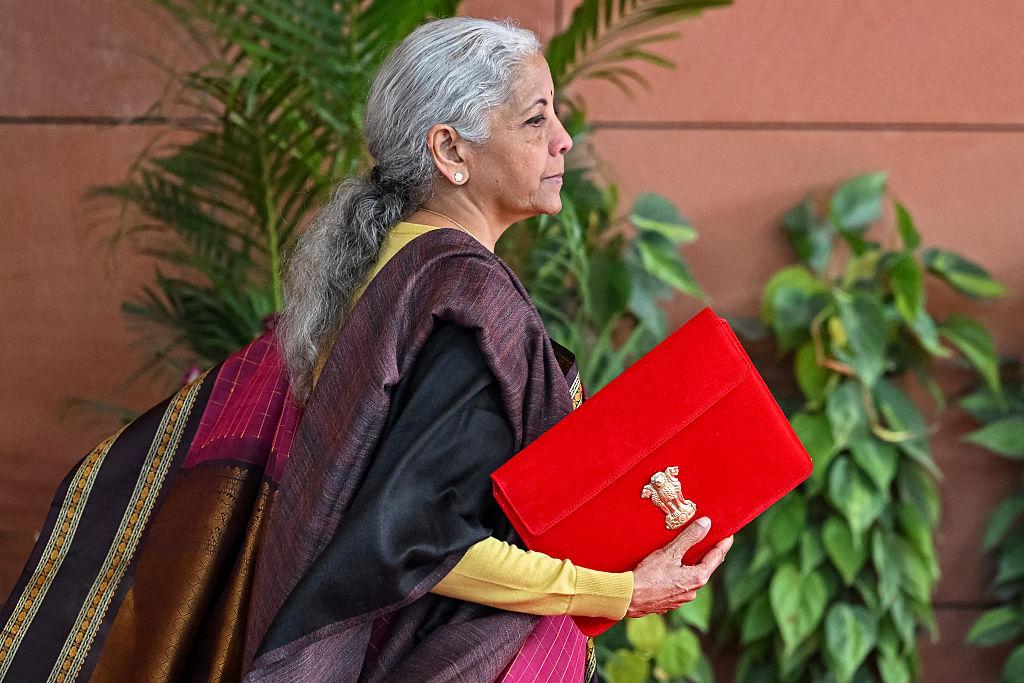
Over the past few years, the government shaped Union Budgets around recovery and stabilisation. Policymakers focused on protecting economic activity, preserving growth momentum, and preventing stress across key sectors. Consequently, they adopted cautious and incremental decisions to maintain balance.
That phase now appears to have ended.
Budget 2026 no longer frames itself around immediate correction or short-term support. Instead, policymakers assume the economy has reached a baseline level of stability. The emphasis shifts from protecting momentum to improving how existing systems function in everyday practice.
Rather than rely on repeated interventions, the government now prioritises refinement, consistency, and disciplined execution. The absence of sharp policy turns signals an intention to reduce uncertainty and allow current frameworks to operate without disruption.
Taken together, these signals suggest a longer-term outlook spanning several years. Leaders no longer treat growth as something that requires constant stimulation. Instead, they focus on direction and sustained follow-through. In practical terms, outcomes will depend less on new announcements and more on effective implementation.
What actually changed (in practical, human terms)
Through Budget 2026, policymakers shift attention from launching new policies to improving how current ones operate on the ground.
1. Greater Predictability
The government signals fewer mid-year adjustments and fewer structural surprises.
What this changes:
Businesses and individuals can plan with more certainty instead of constantly reacting to policy updates.
2. Simplified Compliance
Officials aim to streamline processes and reduce overlapping requirements through automation and system improvements.
What this changes:
Compliance becomes more routine and less mentally exhausting.
3. Consistency Over Intervention
Rather than push activity through repeated policy nudges, leaders allow existing frameworks to function steadily.
What this changes:
Decision-making becomes more long-term and less reactive.
4. Stability as Strategy
The government actively positions stability as a deliberate operating approach, not a temporary pause.
What this changes:
Individuals and businesses adapt for continuity rather than short-term optimisation.
5. Reduced System Friction
Overall, policymakers focus on lowering friction instead of introducing new obligations.
What this changes:
Fewer surprises, lower mental load, and greater confidence in how the system behaves.
What deliberately stayed the same — and the trade-offs behind it
Tax Policy
The government made no major changes to tax rates or structures. Leaders continue to prioritise revenue stability over immediate relief.
Fiscal Discipline
Authorities maintain a cautious stance on deficits and borrowing. They avoid aggressive expansion or stimulus.
Growth Framework
Previously established economic frameworks remain intact. Execution now takes precedence over redesign.
Welfare Approach
Support remains targeted rather than universal. Policymakers avoid expanding large subsidy programs.
Overall Policy Direction
The administration avoids sudden reversals and disruptive shifts. Stability remains the consistent principle.
The Trade-Off:
By keeping these areas steady, Budget 2026 sacrifices short-term relief and visible stimulus. In return, it strengthens predictability, fiscal discipline, and systemic resilience.
How the government is now thinking about growth
Budget 2026 reflects a shift from expansion to optimisation. Instead of increasing activity everywhere, leaders focus on improving how existing capacity performs.
Earlier budgets emphasised speed and visible momentum. Now, direction and consistency matter more.
Most importantly, policymakers prioritise long-term capacity over temporary stimulus. Rather than depend on short-term demand boosts, they strengthen systems designed to sustain growth over years.
In simple terms, the strategy aims to build durable growth instead of chasing immediate results.
What this budget means for businesses and MSMEs

Budget 2026 does not promise dramatic tax cuts or large incentives. Instead, it offers stability.
Rules change less frequently. Compliance processes grow simpler. Policy frameworks remain consistent.
For businesses, that stability supports long-term investment and operational planning. Growth will likely depend on execution within steady systems rather than short-term support.
For MSMEs, the impact feels operational. Reduced friction and clearer processes ease daily management. Although immediate financial gains may appear limited, lower uncertainty reduces risk.
Overall, the government treats businesses and MSMEs as long-term growth partners rather than short-term beneficiaries.
Jobs, skills, and capability: the silent bet
At the core of Budget 2026’s approach to employment lies a subtle but important shift. The focus is less on counting jobs and more on preparing people to remain employable.
Budget 2026 places less emphasis on counting jobs and more emphasis on strengthening employability.
Leaders prioritise transferable skills, practical capability, and workforce adaptability. They prepare individuals for longer careers involving multiple transitions.
Rather than chase headline employment numbers, policymakers invest in institutional capacity and training frameworks. The assumption remains clear: employability compounds over time.
A capable workforce adapts faster to disruption. Over time, that adaptability improves productivity and resilience.
In essence, the government places a long-term bet on people.
Three defining signals of Budget 2026
Directional:
The broad policy path is set. Execution now takes priority.
Behavioural:
Stable rules encourage long-term planning rather than reactive decisions.
Long-Term:
Policymakers measure success in years, not quarters.
Taken together
Budget 2026 is not about announcing change.
It is about locking in direction, shaping behaviour, and committing to outcomes that compound quietly over time.
It may feel understated. It may even feel uneventful.
But that restraint is the message.
Sure 👍 here’s the same content made slightly shorter and sharper, keeping the exact meaning:
Frequently Asked Questions (FAQs)
What actually changed in Union Budget 2026?
No major tax slab changes occurred. The shift focuses on execution, infrastructure continuity, and simpler compliance.
Does Budget 2026 reduce income tax for salaried individuals?
No major slab reductions were announced. The emphasis remains on simplifying processes rather than cutting taxes.
Is there any benefit for MSMEs in Budget 2026?
Yes. The budget provides structural support through faster payments, improved financial access, and compliance assistance.
Is Budget 2026 good for businesses?
Yes. It strengthens predictability, simplifies compliance, and supports manufacturing and infrastructure sectors.